29 May 2026
Navigating Cross-Border Licensing Challenges in Digital Sports Wagering and Virtual Gaming Platforms
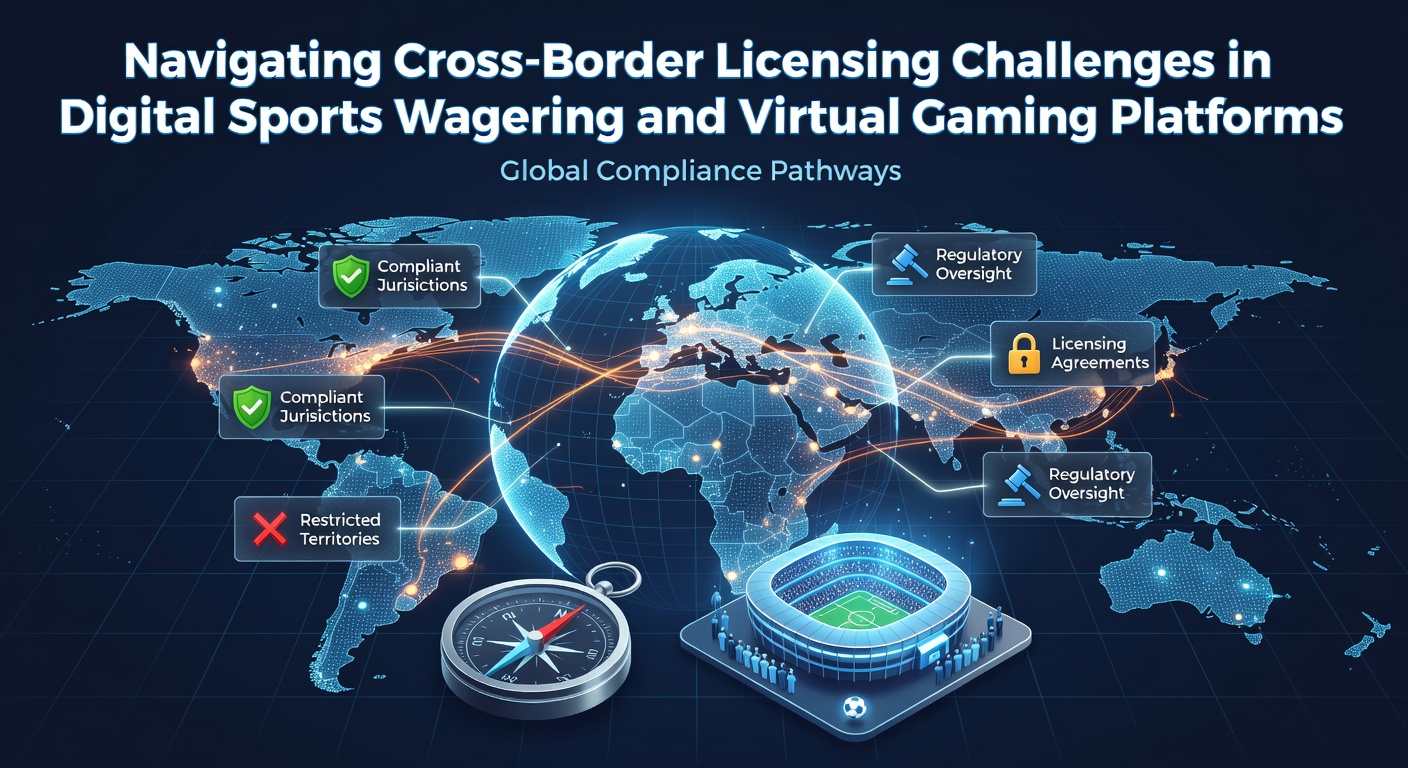
Digital sports wagering and virtual gaming platforms operate across multiple jurisdictions where licensing requirements differ significantly in structure and enforcement mechanisms, creating a complex environment for operators seeking to expand services globally. Regulatory bodies in various regions maintain distinct criteria for obtaining operational permits, and these differences often force companies to adapt their business models when entering new markets while maintaining compliance with existing agreements.
Regulatory Frameworks Across Major Markets
Operators encounter varying approval processes depending on the geographic area, and in North America several provinces and states have established their own licensing systems that require separate applications even when platforms already hold permits elsewhere. Data from regulatory filings indicates that companies frequently invest substantial resources in legal consultations to align technical standards with local mandates on player verification, financial reporting, and game fairness testing. European markets present additional layers since individual member states set independent rules despite broader directives aimed at consumer protection and market harmonization, which means a license valid in one country may not automatically transfer to another.
Australian regulations under the Interactive Gambling Act impose strict controls on offshore providers while allowing licensed domestic entities to serve residents under defined conditions, and observers note that enforcement actions have increased in recent years to address unauthorized access. Platforms must often implement geo-location technologies and payment restrictions to prevent cross-border activity that violates these statutes, which adds operational overhead but ensures continued market access where permitted.
Technical and Compliance Barriers
Cross-border operations demand robust systems for handling multiple currency conversions, tax withholdings, and data protection standards that vary by region, and research indicates these requirements can delay platform launches by several months as developers integrate region-specific modules. Licensing authorities typically require proof of financial stability and responsible gaming measures before granting approval, yet the documentation standards differ enough that operators maintain separate compliance teams for each jurisdiction. In May 2026 several jurisdictions are scheduled to update their verification protocols, which will require platforms to revise user onboarding flows once more to meet enhanced identity checks.
Case Examples from Industry Practice
One operator expanded from a European base into Canadian provinces by securing approvals through Ontario's iGaming framework while simultaneously navigating additional requirements in other territories, and this process revealed how shared technology platforms must still undergo separate audits for each license. Another example involves virtual gaming providers that hold Maltese licenses yet face supplementary hurdles when targeting users in Asia-Pacific regions where local governments maintain their own approval pathways without mutual recognition agreements.

Impact on Platform Development and User Access
Developers often design modular architectures that allow quick adjustments to licensing conditions, and figures from industry reports show that such flexibility reduces downtime when new rules take effect. Players in restricted zones encounter blocked access or redirected experiences depending on the operator's chosen compliance strategy, which influences overall market reach and revenue distribution across borders. Collaboration between regulators and technology providers has produced standardized testing protocols in some areas, yet full interoperability remains limited and forces ongoing investment in certification processes.
Payment processing integrations must also comply with licensing terms that prohibit certain transaction types across borders, and this constraint shapes which financial partners operators select when building their ecosystems. Those who've studied these patterns find that platforms succeeding in multiple markets tend to prioritize early engagement with local legal experts rather than attempting to retrofit systems after initial deployment.
Future Developments and Industry Responses
Emerging technologies such as blockchain-based verification tools are being explored as potential solutions for streamlining cross-border compliance checks, although adoption rates vary according to regulatory acceptance in each territory. Trade associations have begun publishing comparative analyses of licensing regimes to help operators anticipate changes, and these resources draw from government data across several continents to highlight common requirements alongside unique regional stipulations. As more jurisdictions introduce or revise online gaming legislation, the need for coordinated licensing strategies continues to grow among established and emerging platforms alike.
Conclusion
Cross-border licensing in digital sports wagering and virtual gaming remains a dynamic field shaped by evolving national and regional policies that demand continuous adaptation from operators. Successful navigation depends on thorough understanding of distinct regulatory environments, proactive compliance investments, and flexible technical implementations that accommodate updates without disrupting service delivery. Platforms that maintain ongoing dialogue with multiple authorities position themselves to respond effectively when new requirements arise in 2026 and beyond.